5 Photos Every Recipe Blog Post Needs
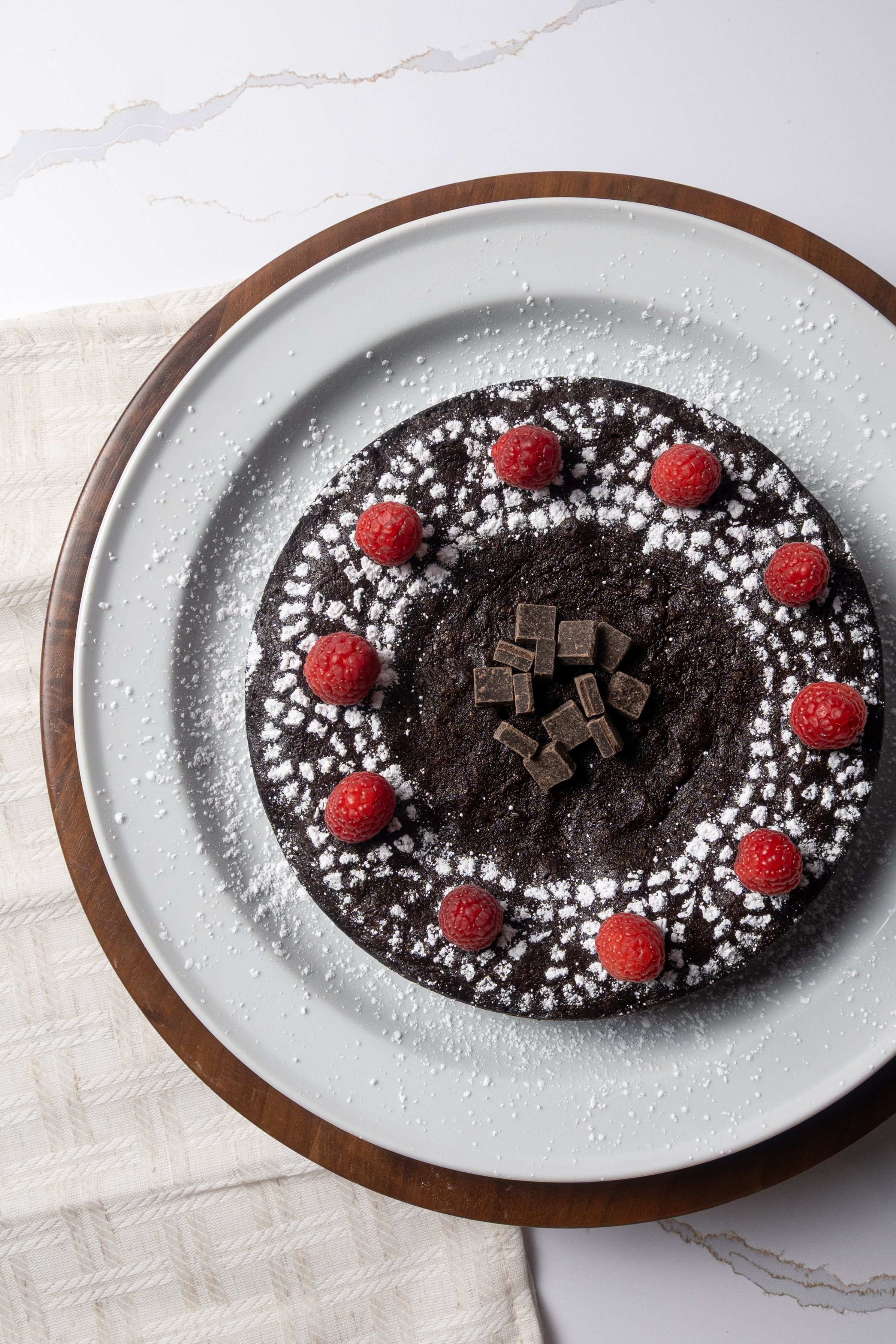
(And Why They Matter for Food Bloggers)
As a food photographer at Styled Spoon Studio, I work with recipe bloggers to create clean, engaging images that help recipes stand out on blogs, Pinterest, and social media. Over time, I’ve noticed that the most successful recipe posts almost always include five key types of photos.
1. Hero Shot
Ah, the hero shot — the real showstopper.
This is the photo that makes people stop scrolling. When someone is browsing Pinterest or Google, the hero image is what convinces them to click on your recipe.
A great hero shot highlights the finished dish in the most appetizing way possible. It should be bright, inviting, and styled beautifully so readers can immediately imagine making it themselves.
Simply put, the hero shot is what gets people to your recipe in the first place.
2. Ingredient Shot
An ingredient flat lay gives readers a clear visual of everything they will need before they begin cooking.
Seeing the ingredients laid out in a clean, organized photo helps the recipe feel approachable and manageable. It reassures readers that the recipe isn't overly complicated and often shows that many ingredients are already common household staples.
This small step builds confidence before they even start cooking.
3. Process Shot
Process photos answer the question every home cook asks: “Am I doing this right?”
These step-by-step images guide readers through important moments in the recipe, especially when they may be trying something new.
For example:
- mixing the batter
- shaping dough
- sautéing ingredients
Process photos provide reassurance and help readers feel supported throughout the cooking process — almost like calling your mom for help with a recipe.
4. Detail Shot
Detail shots are powerful because they connect emotionally with the viewer.
While the hero image shows the entire dish, detail shots highlight the small moments that make food irresistible:
- the crumb of fresh bread
- steam rising from a bowl of soup
- melted chocolate
- a fork pulling apart a slice of cake
These images trigger appetite and curiosity, encouraging readers to imagine tasting the dish themselves.
5. Finished Serving Shot
A serving shot places the finished dish in a real-life setting.
Instead of just showing the food, it tells a story — a plate being served at the dinner table, a slice of cake ready to enjoy, or a bowl of pasta being shared with family.
These images help readers picture the recipe as part of their own lives and create an emotional connection that keeps them coming back for more.
Why These Photos Matter
When all five of these photos work together, they create a complete visual story for your recipe.
They help:
- attract readers to your blog
- guide them through the recipe
- build confidence while cooking
- create an emotional connection to the food
For recipe creators, investing in strong food photography can make a huge difference in how readers engage with your content.
Working With a Food Photographer
Creating all of these photos yourself can take a lot of time, especially when you're also writing, testing, and publishing recipes.
Working with a food photographer can help you focus on creating great recipes while ensuring your blog posts include the visuals needed to attract readers and perform well on